If you’ve ever worried about your child needing a dental filling, you’re not alone. Many Manhattan parents want restorative treatment that protects their child’s smile while keeping the experience gentle and stress-free.
At Midtown Pediatric Dentistry, we use Glass Ionomer Cement (GIC) for many baby tooth fillings because of its protective benefits and conservative approach. This material helps safeguard developing smiles while supporting long-term oral health.
What Are Glass Ionomer Fillings?
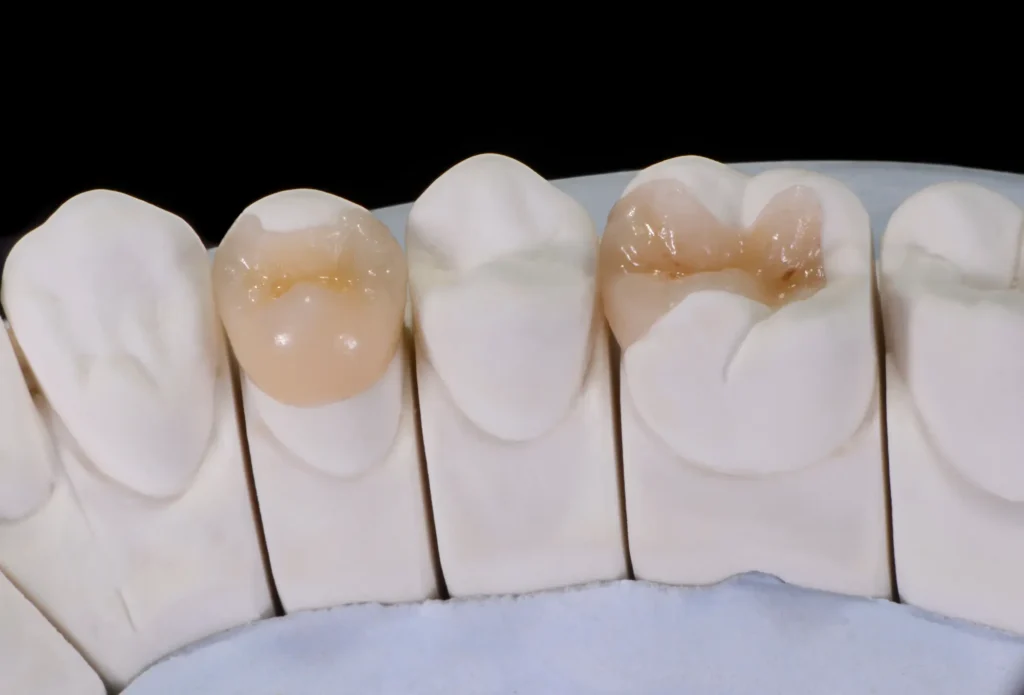
Glass Ionomer Cement (GIC) is a restorative material commonly used in pediatric dentistry. It chemically bonds to tooth structure and continuously releases fluoride, which helps strengthen enamel and reduce the risk of future decay.
Unlike traditional materials that require extensive tooth preparation, GIC allows for a more conservative treatment approach. This makes it especially useful for primary (baby) teeth, where preserving natural tooth structure is important.
Why Glass Ionomer Is Ideal for Pediatric Dentistry
Children benefit from restorative materials that are protective, efficient, and minimally invasive. Glass ionomer offers several important advantages:
Fluoride release: Helps protect the treated tooth and surrounding enamel from future cavities.
Chemical bond to tooth structure: Supports a secure seal.
Conservative preparation: Typically requires less removal of healthy tooth structure.
Biocompatibility: BPA-free and safe for growing children.
Practical longevity for baby teeth: Designed to function effectively until the tooth naturally exfoliates.
At Midtown Pediatric Dentistry, Dr. Marc Nardea focuses on thoughtful material selection and minimally invasive care tailored to each child’s needs.
The Process: How Glass Ionomer Fillings Work for Baby Teeth
Parents often appreciate understanding what to expect. Here’s what treatment typically looks like:
Gentle Evaluation
We begin with a thorough yet reassuring exam to assess the area of decay.
Tooth Preparation
Using child-friendly techniques and nitrous oxide if needed, we carefully remove decay while preserving as much healthy tooth structure as possible.
Placement of Glass Ionomer Cement (GIC)
The material is placed directly into the prepared area, where it chemically bonds to the tooth and begins releasing fluoride.
Setting & Finishing
The material sets and is shaped to ensure a comfortable bite and smooth surface.
Because GIC bonds directly to the tooth and supports enamel health, it allows for efficient and conservative treatment — particularly helpful for young patients.
Why Protecting Baby Teeth Matters
Even though baby teeth are temporary, they serve critical roles in:
- Holding space for permanent teeth
- Supporting proper chewing
- Assisting speech development
- Maintaining overall oral health
Protecting them from decay helps prevent pain, infection, and early tooth loss, which can impact alignment and development later on.
How Midtown Pediatric Dentistry Elevates the Experience
Located just steps from the Empire State Building, Midtown Pediatric Dentistry provides accessible, child-centered dental care for Manhattan families.
Here’s what sets our office apart:
Board-Certified Pediatric Expertise
Dr. Marc Nardea is a board-certified pediatric dentist with advanced training focused specifically on children’s oral health.
Minimally Invasive Philosophy
We prioritize conservative techniques and materials designed to preserve healthy tooth structure.
Comfort-Focused Care
From nitrous oxide sedation to a calming environment, every aspect of our office is designed to reduce anxiety and build positive dental experiences.
Our goal is not just to treat cavities — but to help children develop lifelong comfort with dental care.
Frequently Asked Questions About Glass Ionomer Fillings
Are glass ionomer fillings safe for children?
Yes. GIC is highly biocompatible, BPA-free, and widely used in pediatric dentistry. Its fluoride-releasing properties make it especially beneficial for young patients at higher risk for cavities.
How long do glass ionomer fillings last in baby teeth?
With proper oral hygiene and regular checkups, glass ionomer fillings are designed to function effectively until the baby tooth naturally falls out. Because primary teeth are temporary, the material is selected to balance durability with protective benefits.
Does insurance cover glass ionomer fillings?
In many cases, yes. Most pediatric dental plans cover restorative fillings. Our team will help verify your benefits and explain any out-of-pocket costs in advance.
Will my child need numbing?
Our approach is to use the least amount of intervention necessary. Many small fillings can be completed comfortably without local anesthesia. If numbing is needed, we use gentle techniques and careful communication to keep your child at ease. For those who feel a bit anxious, nitrous oxide is available to help make the visit more relaxing.
A Healthy Smile Starts in the Heart of Manhattan
At Midtown Pediatric Dentistry, we believe children deserve dental care that protects both their health and their comfort. Glass ionomer cement is one of the materials we use to provide conservative, fluoride-releasing protection for growing smiles.
If your child has a cavity or you have questions about treatment options, call us at (646) 599-0167 to schedule a consultation with Dr. Marc Nardea. Conveniently located in Midtown Manhattan, we provide compassionate pediatric expertise in a welcoming environment designed just for kids.
Let’s protect your child’s smile — gently and thoughtfully.